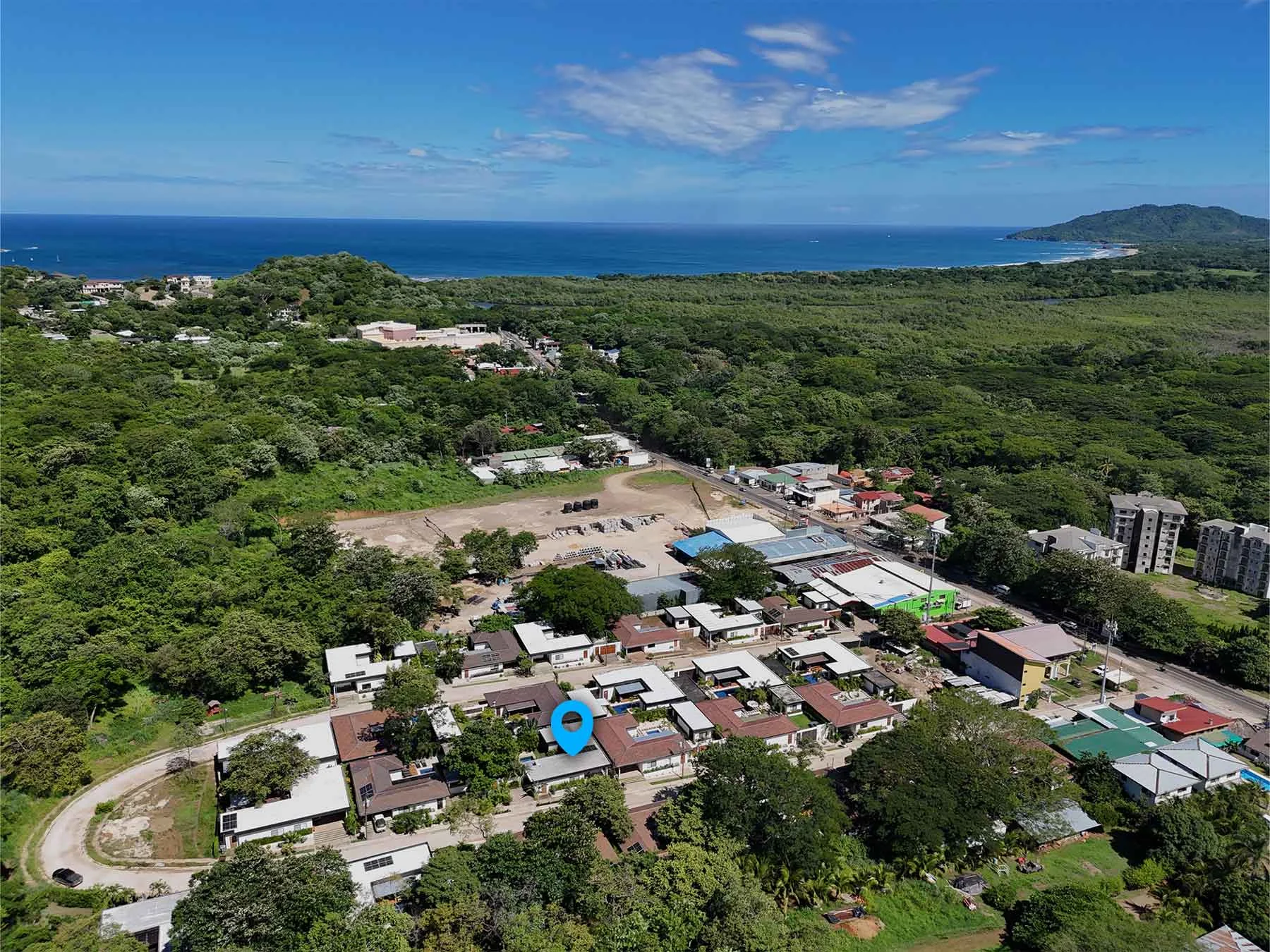
Costa Rica has long been a dream destination for many foreigners seeking a slower pace of life, warm weather, stunning beaches, and a welcoming community. Among the most popular areas for expats is Tamarindo, a vibrant coastal town in Guanacaste known for tourism, surfing, international culture, and a fast-growing economy.
However, while relocating to Tamarindo may be relatively easy, working in Costa Rica as a non-resident is a completely different process governed by strict laws and regulations.
This article explains in detail the legal conditions under which a non-resident can work in Costa Rica, the exceptions for special skills, and the most common route expats take: creating or taking over a business that allows them to work legally while contributing to the local community. It also includes practical examples and specific considerations for Tamarindo.
1. Can a Non-Resident Work in Costa Rica?
In Costa Rica, only permanent residents and citizens can legally be hired to work in local jobs. The country protects its labor market by ensuring that jobs that can be filled by Costa Ricans remain for Costa Ricans.
Therefore, a foreigner who does not have permanent residency generally cannot:
- Be hired as an employee in a hotel, restaurant, surf shop, office, or local business.
- Perform freelance services for a Costa Rican company without the proper permits.
- Work without a visa or a specific approved immigration category.
In other words, having a tourist visa, even if renewed every 90 days, never allows someone to work.
This rule applies nationwide, including Tamarindo, where many foreigners stay long-term. While some expats informally work online, remotely, or under-the-table, doing so is not legal and comes with risks such as fines, deportation, or business closures.
2. Exception: Working in Costa Rica With a Special Skill
There is one important exception:
A non-resident can be hired if they possess a specialized skill that cannot be found in the local workforce.
This is a category under work visas called Specialized Worker Permit (Permiso Especial de Categoría Especial). For the government to approve such a request, the employer must prove:
- The position requires highly specialized knowledge.
- No Costa Rican candidate is qualified for the role.
- The skill benefits the country’s economic or cultural development.
- The foreign worker will train local employees.
Examples of specialized skills that might qualify
- French pastry chef with advanced training or unique culinary techniques not commonly taught locally.
- Foreign-language instructor with native-level fluency and specialty teaching certifications (e.g., Mandarin, Russian, German).
- Technical expert in renewable energy, robotics, or advanced engineering needed for a specific project.
- Executive-level manager with international corporate experience required for a foreign investment company.
In Tamarindo, due to its tourism-driven economy, the most common approved requests are related to:
- International cuisine chefs
- Hospitality experts
- Surf professionals with international certifications
- Marketing or tourism specialists with niche expertise
- High-level wellness instructors (e.g., Ayurveda teachers, specific yoga styles)
Still, approval is not guaranteed, and applications require extensive documentation.
3. The Most Popular Option for Expats in Tamarindo: Creating Their Own Company
Because obtaining a specialized worker visa is difficult and limited, most foreigners who want to live and work in Costa Rica choose to create their own company.
This is completely legal, widely used, and highly encouraged by Costa Rican law.
Important distinction
While a foreigner with temporary residency cannot be hired as an employee, they can own a company, and their company can generate income.
What the foreigner can do as a company owner
Legally, the foreigner:
- Can own 100% of the business.
- Can act as an investor, administrator, or board member.
- Can hire Costa Rican employees to perform labor tasks.
- Can carry out strategic or administrative responsibilities (non-manual labor).
This is why many expats in Tamarindo create companies such as:
- Restaurants, bakeries, cafés
- Surf schools
- Yoga and wellness studios
- Tour companies
- E-commerce businesses
- Real estate or property management companies
- Boutique hotels, hostels, or bed-and-breakfasts
When structured correctly, this path allows an expat to live, work, and operate a business fully legally.
4. Taking Over an Existing Business: A Popular and Smart Strategy
In Tamarindo, one of the strongest expat trends is not only opening a new business but buying an existing one. This can be extremely advantageous, especially in a town with high tourist flow and seasonal income variations.
Benefits of Taking Over an Existing Business
1. Established Brand Reputation
A long-standing café, surf school, or boutique hotel already has:
- Reviews
- Loyal customers
- Social media presence
- Operational flow
- Supplier relationships
This dramatically reduces the time and risk involved.
2. Existing Staff
One of the biggest challenges for new entrepreneurs in Tamarindo is hiring, training, and retaining local workers.
When you take over a business, the local staff often stays—meaning you benefit from experienced employees who know the operation.
3. Immediate Cash Flow
Instead of spending months building visibility, an existing business allows you to start generating income quickly.
4. Proven Business Model
You can analyze the business history, revenue, and patterns before buying—something impossible with a brand-new company.
5. Reduced Bureaucracy
Many of the hardest steps—permits, patents, health approvals—are already in place.
6. Community and Supplier Integration
In smaller beach towns like Tamarindo, connections matter.
A business that has operated for years already has:
- Partnerships
- Local suppliers
- Tourism operators
- Repeat customers
This network is invaluable.
5. How This Works Legally for a Foreign Owner
A foreigner buying or creating a business generally uses one of the following residency categories:
• Investor Residency
Available for:
- Purchasing an existing business
- Creating a new business
- Investing in tourism or hospitality operations
- Investing in real estate
This residency allows you to:
- Live full-time in Costa Rica
- Own and run your business
- Eventually apply for permanent residency
• Digital nomad residency (does not allow local work)
Some foreigners combine:
- Owning a business
- Earning income online
But this category does not allow you to work for a Costa Rican employer.
• Permanent Residency
After reaching permanent residency status, the person can legally be hired as an employee.
6. Why Tamarindo Is Such a Popular Location for Foreign Entrepreneurs
Tamarindo is one of the most international towns in Costa Rica. Foreign residents operate a large percentage of businesses such as:
- Bakeries
- Real estate agencies
- Surf shops
- Cafés and restaurants
- Boutique hotels
- Beach clubs
- Wellness studios
The town’s economy relies heavily on:
- Tourism
- International culture
- Surfers
- Digital nomads
- Seasonal visitors
- Retirees
Because of this, Tamarindo naturally attracts people wanting to:
- Start a business
- Buy an established one
- Introduce new culinary or hospitality concepts
- Offer specialized services not commonly found in Costa Rica
Foreign entrepreneurs have helped transform Tamarindo into the energetic, diverse, and successful coastal town it is today.
Conclusion
Working as a non-resident in Costa Rica is not as simple as arriving with a tourist visa and finding a job. The law protects local employment and restricts work for foreigners unless they are permanent residents or possess specialized skills that are not available in the local workforce.
However, Costa Rica provides attractive and legal paths for foreigners to create their own opportunities—especially in thriving areas like Tamarindo.
By opening a company, or even better, taking over an existing business, expats can legally work, invest, live, and integrate into the community while hiring locals and contributing to the local economy.
For many foreigners, entrepreneurship becomes not only the easiest legal route but also the most rewarding way to build a life in Costa Rica.